Starlinka писал(а): ↑Чт дек 25, 2025 11:32 am
Fur_Elise писал(а): ↑Ср дек 24, 2025 9:45 pmЯ вообще не поняла что на фотке дома в котором никто не живет такого уж страшного-ужасного ?
Газон в идеале должен выглядеть как на фотке ниже зимой, без зеленых сорняков. Которые если их не трогать всю зиму будут разрастаться и разбрасывать семена, а весной ожившей траве будет сложнее на их месте расти. С каждым годом сорняков будет все больше. Ну и видок так себе.
бог мой, в идеале... должен выглядеть... я просто удивлена что это вы пишете, я почему-то думала (но видино ошибалась) что вы больше type of person который согласен что
Allowing diverse growth on your lawn creates a resilient mini-ecosystem, supporting pollinators and wildlife, reducing maintenance (less mowing/watering), improving soil health by capturing carbon and nutrients, and offering natural pest control, making your yard a functional habitat rather than just decorative green space.
Ecological Benefits
Supports Wildlife: Native flowers and taller grasses provide food (nectar, seeds, berries) and shelter for bees, butterflies, birds, and beneficial insects, say farmprogress.com and earthday.org.
Boosts Biodiversity: A monoculture lawn has low insect diversity; letting plants grow fosters more insects, spiders, and other creatures.
Carbon Sequestration: Deep-rooted native plants store carbon in the soil, helping combat climate change.
Maintenance & Health Benefits
Less Work: Native grasses and wildflowers often need less mowing, watering, and fertilizing, reducing your workload and resource use.
Natural Pest Control: More insects mean more food for predators like ladybugs and lacewings, naturally managing pests, notes thefloridatimes-union.com.
Soil Improvement: Weeds bring deep nutrients up, break up compacted soil, and add organic matter as they decompose, improving soil structure, according to smilinggardener.com.



 И когти приходится постоянно подрезать, а то она еще тот biscuit maker. Надо ей дать тему почитать - чтоб знала что в других местах таким же кискам только капот машины светит.


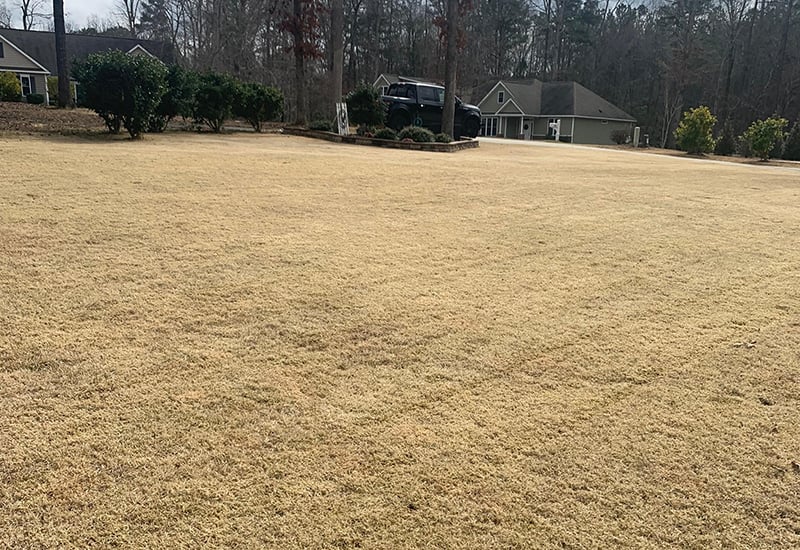

 У меня всего того что длинно перечислено и без сорняков на газоне хватает. Как мне было как-то сказано в ответ на рашанское что каждому мужику необходимо "построить дом/посадить дерево/вырастить сына" - со всем согласен, кроме дерева - здесь достаточно просто вовремя не покосить и можно записывать себе на счет десятки деревьев этих